Blogs

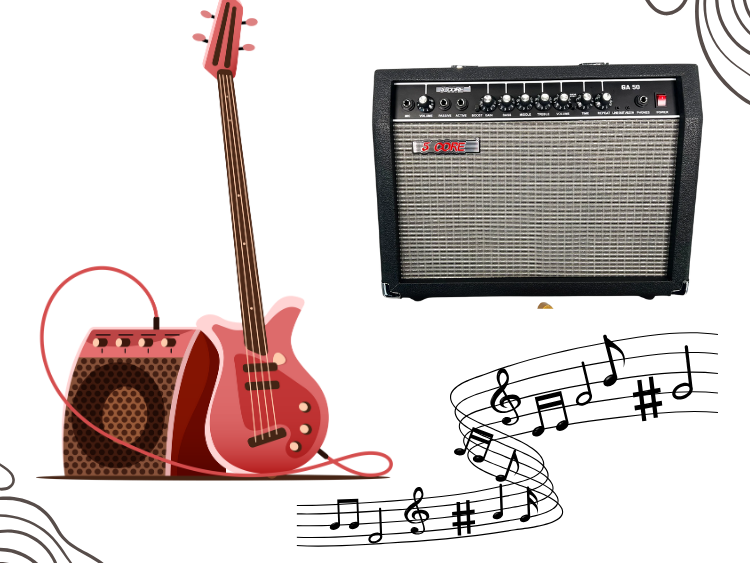
How to Choose the Perfect Guitar Amplifier for Your Style
It doesn’t matter if you’re hammering out blues licks, practicing metal riffs in your bedroom, or prepping for your first gig — the amplifier you plug into shapes your tone more than you might think.
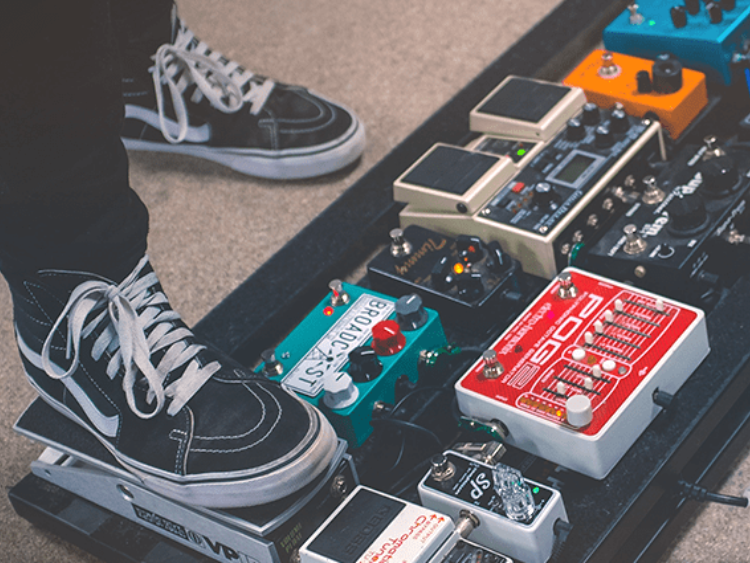
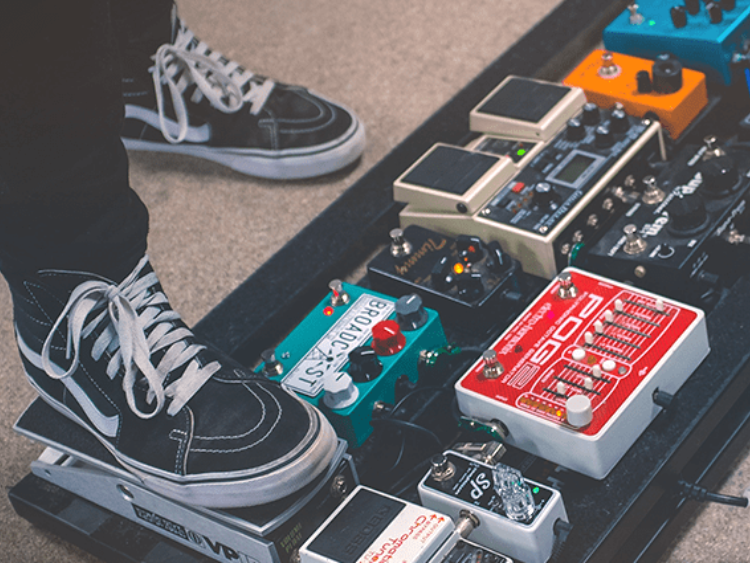
Beginner’s Guide to Guitar Pedals: Boost Your Sound Without the Nonsense
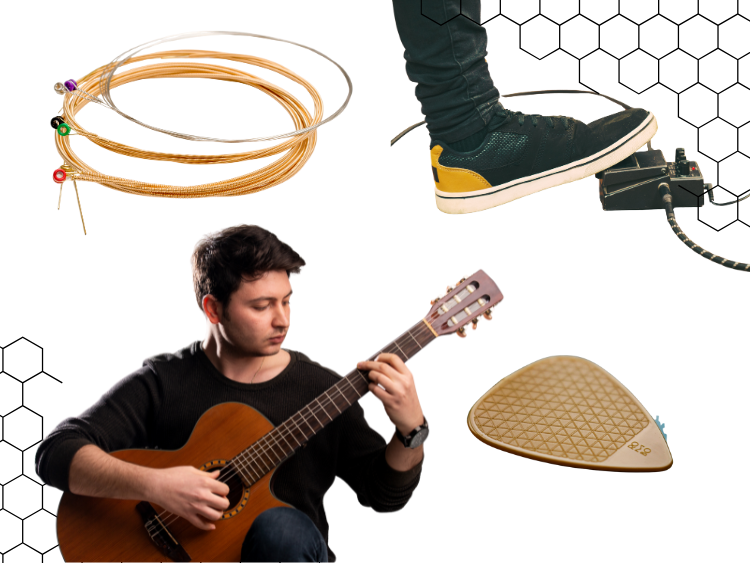
Alright, guitar rookies—let’s cut the fluff. You hear the pros ripping solos and wonder: What’s making their guitar sound bigger, wilder, and just… cooler? The answer is guitar pedals, those magic little boxes that turn basic plucking into stadium rock or cosmic shoegaze in no time.
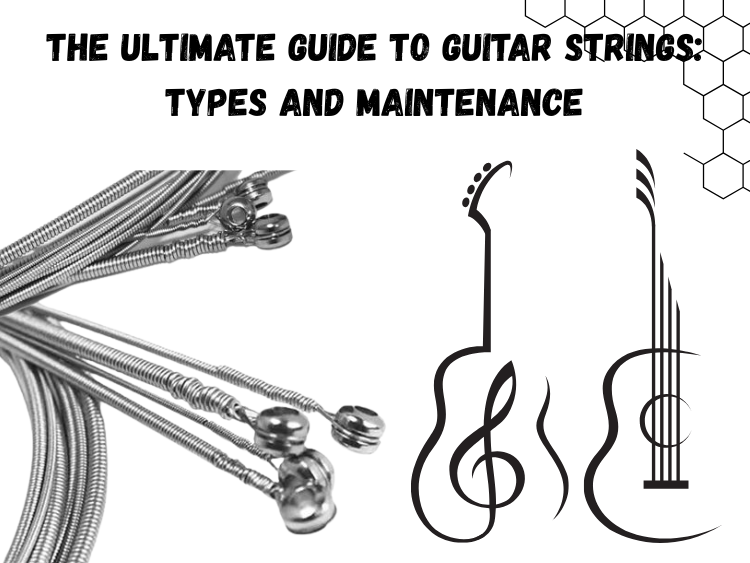
The Ultimate Guide to Guitar Strings: Types and Maintenance
Your guitar strings are the first thing between your fingers and your sound. You can buy the best guitar in the world, but if your strings are old, mismatched, or poorly maintained, you’ll never get the tone you’re after.
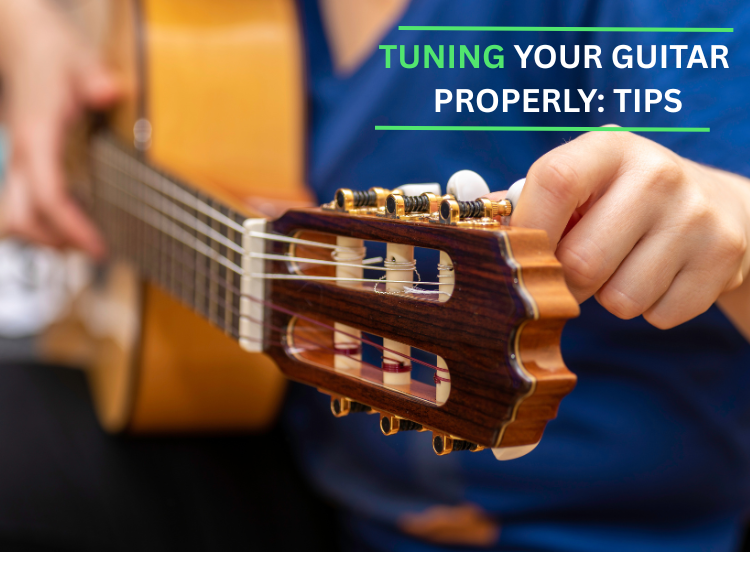
How to Properly Tune Your Guitar: Tips and Tools
Any guitarist with a sufficient level of experience is familiar with this experience of having chords in the wrong position and somehow being unable to get them to sound the way they are supposed to. Nine times out of ten? It’s your tuning. It doesn’t matter if you’re strumming around a campfire or laying down tracks in your bedroom studio — if your guitar’s out of tune, it’ll never sound right.
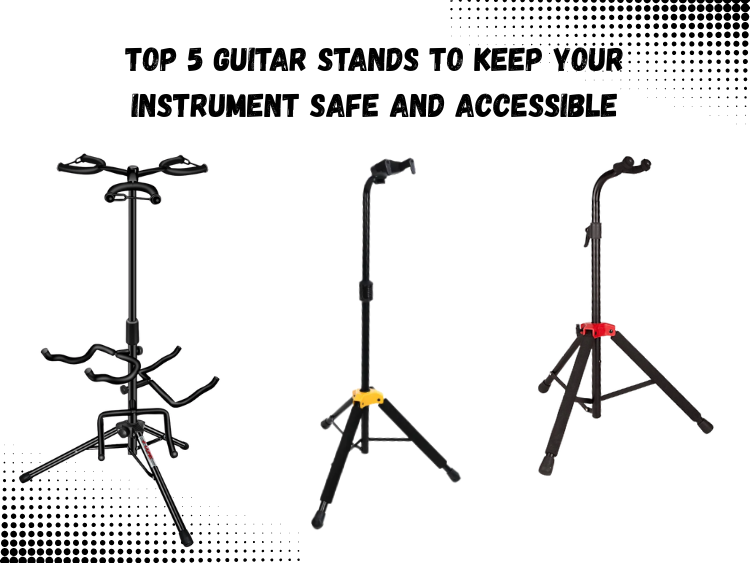
Top 5 Guitar Stands to Keep Your Instrument Safe and Accessible
You put money, time, and practice into your guitar — the last thing you want is to see it hit the floor. It happens more than people admit. One clumsy elbow, one slip, and you’re stuck with a cracked headstock or worse. That’s where a reliable stand earns its keep.
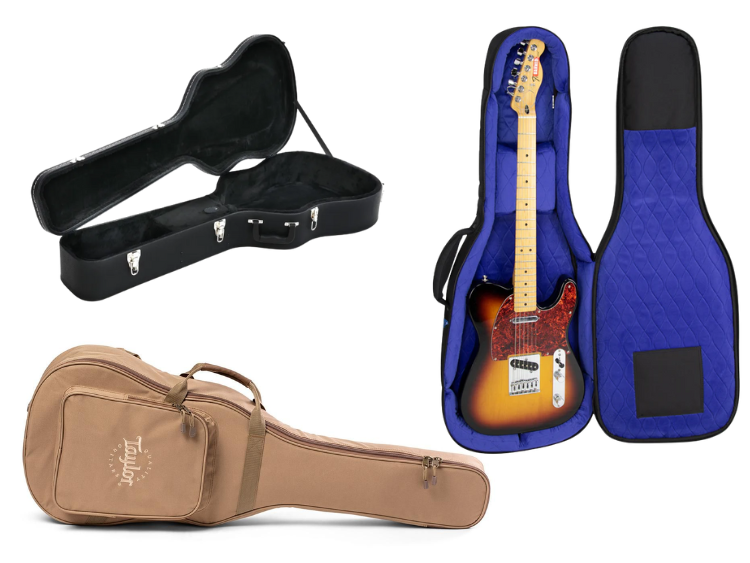
Why Every Guitarist Needs a Quality Guitar Bag or Case?
Look—your guitar isn’t just a slab of wood and strings. It’s your sweat, your soul, and yes, a solid chunk of your hard-earned cash. Treat it like trash, and you’ll pay—big time. Dings, dents, warped necks, busted knobs... all because someone thought, “Eh, maybe I don’t need a decent case.”

Capos 101: How to Use a Capo to Change Your Guitar Sound
If you’ve never used a capo, you’re probably missing out on one of the cheapest ways to expand what your guitar can do.

How to Clean and Maintain Your Guitar for Longevity
A nice guitar is not only an instrument; it is an investment. Be it your first entry-level acoustic or a 50-year-old electric that you saved to buy, cleaning and taking care of your instrument is what makes it sound and play the way it is supposed to.
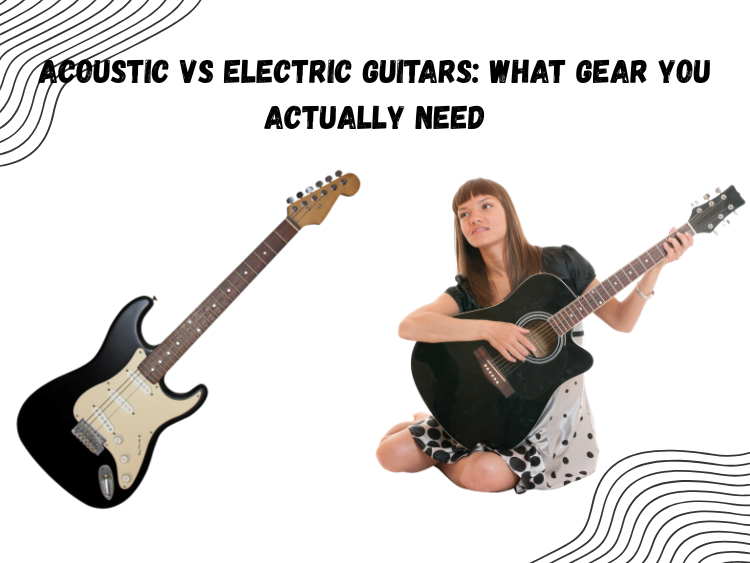
Acoustic vs Electric Guitars: What Gear You Actually Need
Most players—especially early on—focus entirely on the instrument. Fair enough. The guitar is the centerpiece. But a few weeks in, once the novelty fades, one thing becomes clear: playing gets frustrating fast without the right gear. Not much more equipment and not much flashier equipment, but the proper stuff.
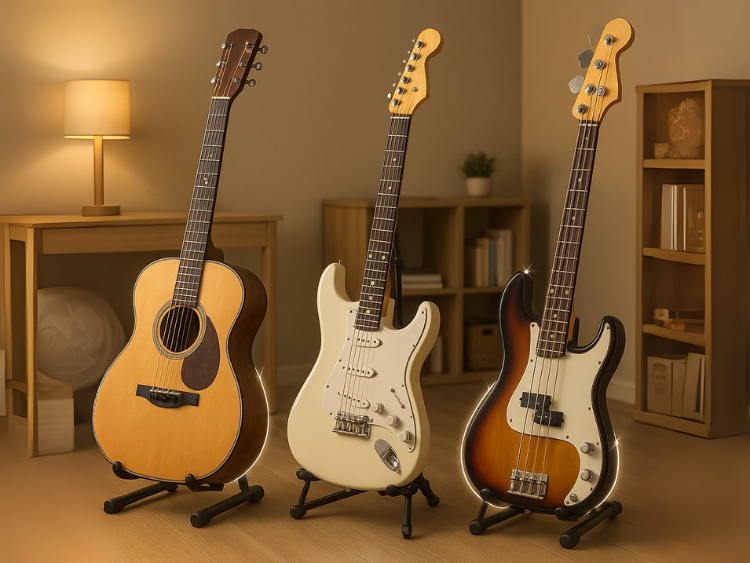
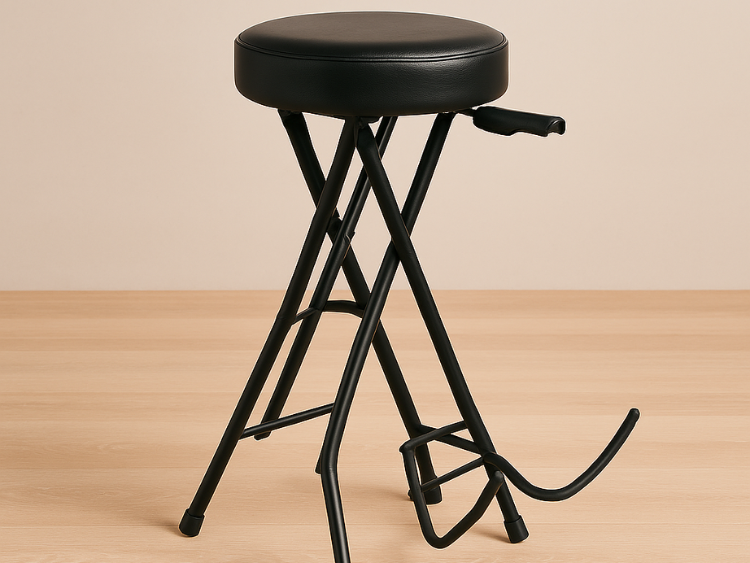
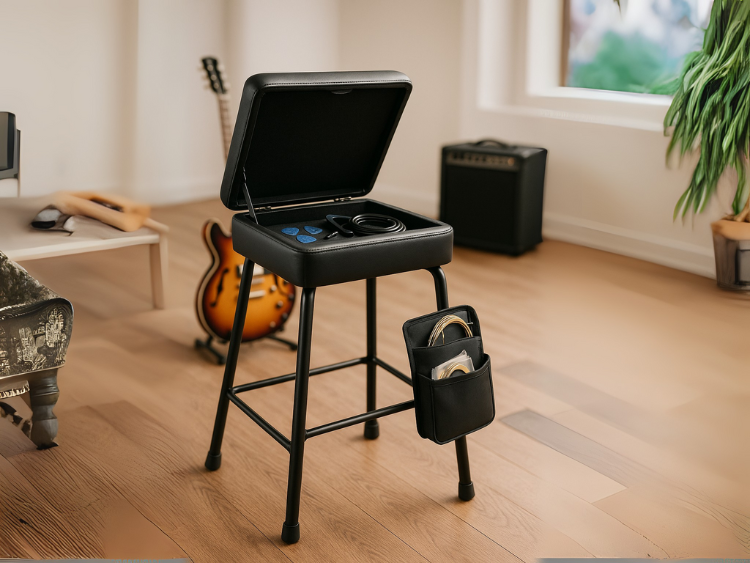
Best Guitar Stands for Small Spaces
A decent guitar stand will help you have easy access to your instrument even in situations where space is a problem. In small rooms, dormitories, or studios, a proper design will make the storage easy without causing any damage. Around 12–15% of guitars in the U.S. get damaged each year because of poor storage—things like extreme heat, humidity, or being left in places like attics, basements, or garages without proper cases or humidifiers. Using a stand that fits in a narrow area will help you to preserve your instrument and leave your space clean and tidy.
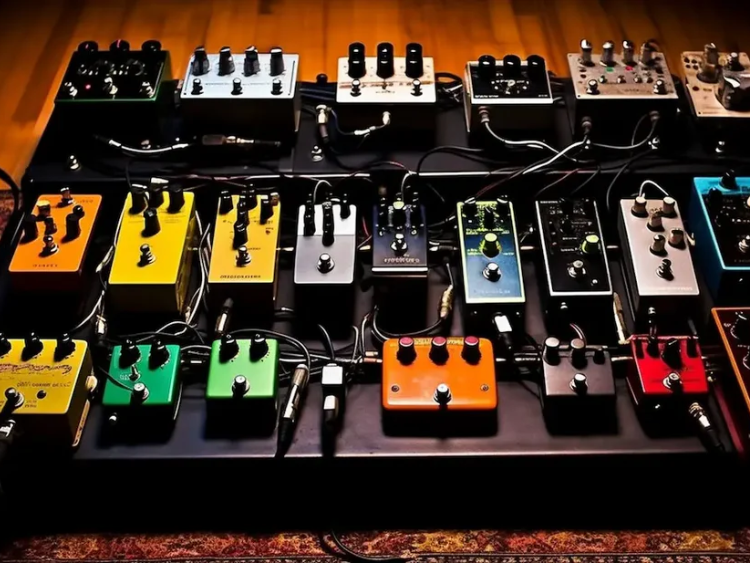
How to Build the Ultimate Guitar Pedalboard Setup
Let’s be honest: your pedalboard isn’t just a piece of plywood and Velcro. It’s ground zero for everything wild, weird, and wonderful about your guitar sound. You can have the best amp in the world, the slickest axe money can buy—if your effects pedal setup is an afterthought, you’ll still sound, well... undercooked.
Tips for Choosing the Right Guitar Picks for Your Playing Style
There’s a good chance your guitar pick is doing more to shape your tone than you think. Ask any seasoned guitarist and they’ll tell you—the right pick feels like an extension of your fingers. The wrong one? A constant distraction that ruins both tone and technique.
Recent Posts




Beginner’s Guide to Guitar Pedals: Boost Your Sound Without the Nonsense