Capos 101: How to Use a Capo to Change Your Guitar Sound

If you’ve never used a capo, you’re probably missing out on one of the cheapest ways to expand what your guitar can do.
A capo is simple — clamp it on your fretboard and you instantly shift pitch without changing your chord shapes. But it’s not just for playing higher keys. A fine capo can also introduce a brighter or tighter tone, allow you to match a singer in their vocal range, and give you access to new chord voicings.
Which capo then should you carry in your case? And what do you do with it so that you don't kill your tuning? So, let us simplify it.
Guitar Pro Academy notes that capos simplify playing complex barre chords and help transition songs into more singer-friendly keys with ease. Whether you’re songwriting, performing, or just jamming, a capo expands your possibilities without overcomplicating your technique.
Why a Good Capo Makes a Difference
Not all capos are equal.
Cheap models have the tendency to press the strings unevenly; this may pull your guitar sharp or buzz. A good capo puts only the necessary amount of tension on all the strings so that you have clear notes and consistent tuning at the top of the neck.
The real advantage? You can play common chord shapes in any key. Open chords ring brighter than barre chords, so using a capo is an easy way to get that full, sparkling tone — especially on acoustic guitars.
The Right Way to Place a Capo
Slide it just behind the fret, not right in the middle. You want enough pressure to hold down the strings without bending them sharp.
Once it’s clamped on, always check your tuning. Even the best capos can slightly shift your pitch, so a quick tune-up saves you headaches later.
Two Solid Capos to Have in Your Case
5 Core Acoustic/Electric Guitar Capo
This one’s a workhorse for any player. It’s built with an aluminum alloy frame, so it’s sturdy but lightweight — no extra bulk in your gig bag.
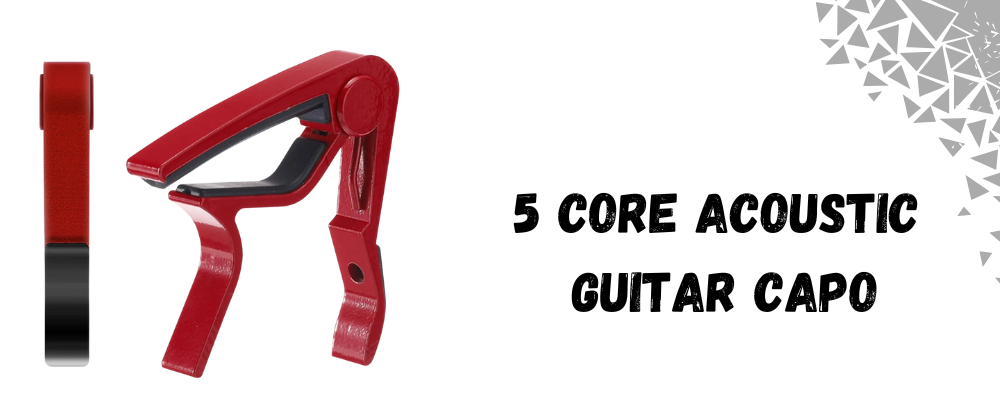
The high-tension spring in the capo makes it easy to clamp on with one hand and reposition mid-song if you need to change keys fast. The soft silicone padding protects your fretboard from scratches while evenly pressing down all six strings for buzz-free playing.
It’s designed to fit not just 6-string acoustics but also electrics, banjos, mandolins, and ukuleles — so if you switch instruments, you don’t need a different capo.
Keep this as your go-to clamp for everyday practice and gigs.
5 Core Capo with Picks & Carry Bag
If you want a quick grab-and-go bundle, this capo is worth a look. You get the same durable zinc alloy build, a strong spring for secure hold, and silicone pads to protect your guitar’s finish.
What sets it apart is the accessory kit — it includes six guitar picks and a small carry bag to keep everything together in your case. No more digging through your pockets for spare picks at rehearsal.
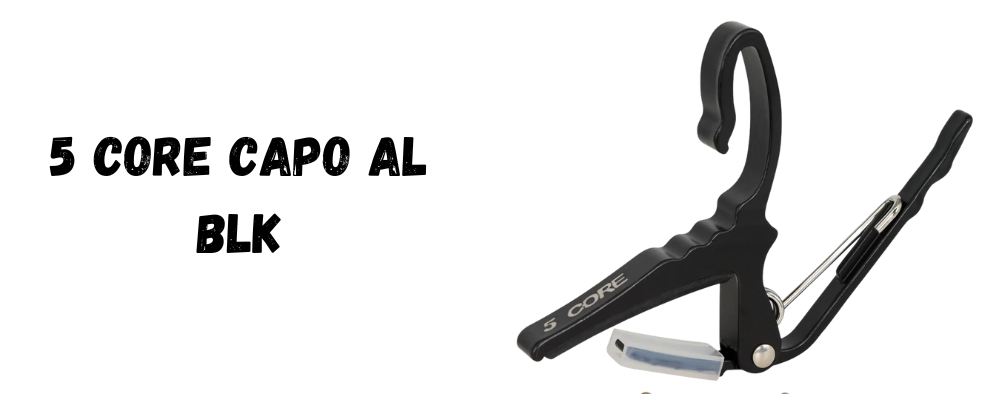
The smooth trigger design means you can move the capo up and down the neck in seconds — perfect for live players who need to change keys on the fly.
A smart all-in-one option for players who lose picks like socks in the dryer.
Real-World Tips for Using a Capo
Keep it simple: memorize what your favorite chords sound like shifted up the frets a couple of times.
Put the capo on the 2nd or 4th fret to brighten it up and you will have that sweet chiming sound that you hear so much in folk and pop.
When playing with another guitarist, simply play around with the capo in a different fret, so as you are not playing the same voicings. It will make the sound denser and more layered which do not step on each other.
Final Word: Small Tool, Big Impact
A good capo can be your secret weapon for expanding your range without fighting your instrument. But cheap plastic ones can mess with your intonation and tone.
Stick to a solid build, like these two 5 Core picks — both clamp strong, pad the neck, and last way longer than the bargain-bin ones.
If you don’t have one yet, toss it in your gig bag. You’ll be glad you did when you need to change keys, brighten your chords, or just spark fresh ideas on your next song.
You can also browse our product page to find the best keyboard bench, audio mixers, drum mics, piano bench, keyboard stand, speakers, party speakers, and more.
Recent Posts




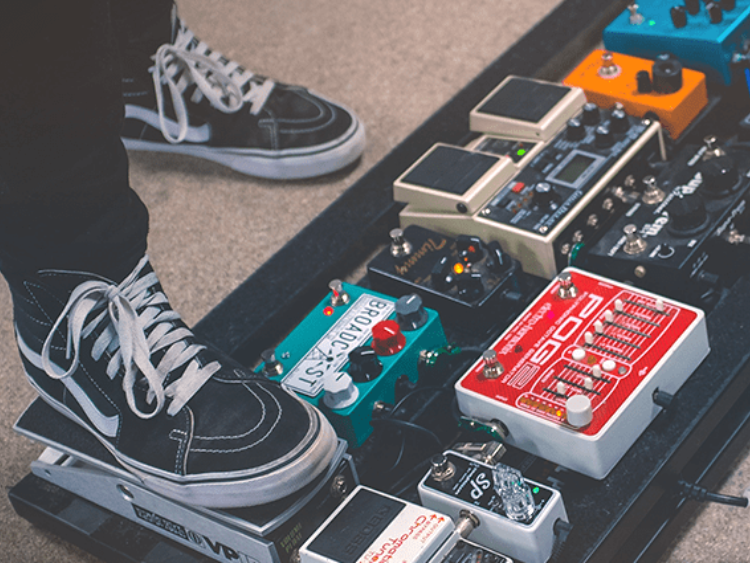
Beginner’s Guide to Guitar Pedals: Boost Your Sound Without the Nonsense