Understanding Guitar Amplifier Settings for Better Tone
All guitarists pursue that pristine tone at some point. The one that turns heads at a gig or just sends a chill up your spine when you are listening to a solo in your bedroom. However, the reality of this is that, however much you spend on your guitar or how many pedals you have in your collection, without your amp settings being set correctly, your tone is going nowhere in a hurry.
The settings of the amps are usually considered as an afterthought- but they are not supposed to be. Learn the operation of your amplifier, and now your gear will begin to work with you instead of against you. No matter what style you play, clean, crunchy, or face-melting heavy, tone is born and dies in the way you define your sound at the amplifier.
Guitar amplifiers do more than just make your instrument louder—they’re the heart of your tone. As celebrated tone researcher Jim Lill emphasizes in Wired, it’s often the amp settings—not the guitar or its pickups—that have the most dramatic impact on how your sound responds and evolves.
For amp makers, it’s a signal to lean into innovation—hybrid designs, modeling tech, and features that appeal to gigging musicians who aren’t just investing in tone, but in convenience and adaptability. So, let’s look at some new-age guitar amplifiers that are now ready to unlock an amazing musical experience.
The Amp Isn’t Just a Speaker—It’s Half the Instrument
Most new players blame their guitar or pedals when the tone feels flat. Truth is, the amp is just as much an instrument. It colors your sound, responds to your playing, and shapes the final tone your audience (or neighbors) hear.
Now, here’s where it gets interesting: the controls on the front of your amp aren’t just knobs—they’re tone sculpting tools. And using them right doesn’t take a degree in audio engineering. It just takes knowing what each knob actually does and how to tweak it with intent.
Breaking Down Your Amp’s Controls
Gain: Where Your Tone Starts
Think of gain as your amp’s “attitude” meter. Lower gain gets you that clean, bell-like tone—great for funk, jazz, or indie. Punch it up a little, and you get natural breakup. Push it hard, and you’re in overdrive or distortion territory.
But here's the thing: more gain doesn’t always mean more “better.” Cranking the gain without adjusting other settings will just cloud your sound. You want crunch, not chaos.
Try this: Set gain at 4, keep volume low, and strum a few chords. Now, nudge the gain to 6 and hear where things start to break up. That’s your tone’s edge—use it with purpose.
Volume (Master): Loudness vs. Tone
Volume seems simple, but there’s a catch. On some amps, turning up the volume gives you more than just loudness—it can change how the amp feels. Some amps “open up” at higher volumes. Others stay consistent.
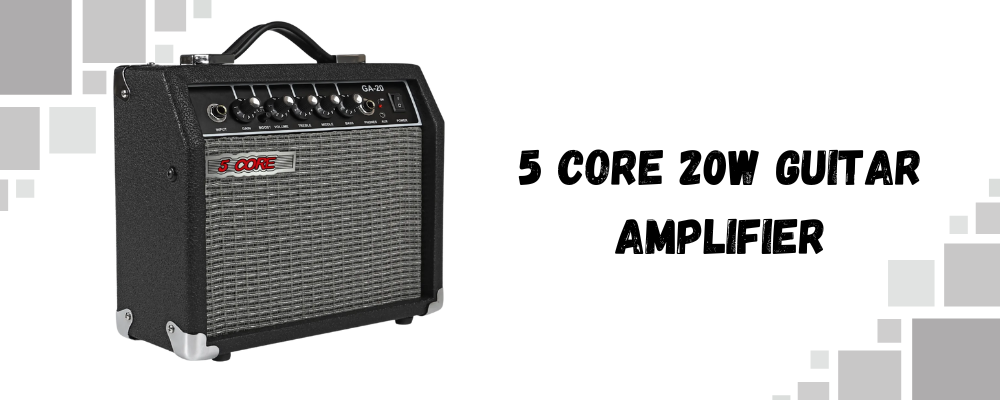
The 5 Core GA-20-ORG 20-Watt Guitar Amp has a robust 8" speaker, master volume control, and tone-shaping knobs for bass, mid, and treble. It features auxiliary input, a headphone jack and a robust compact design designed for quiet practice without losing rich, clear sound.
For higher-wattage monsters like the 5 Core 50-Watt Electric Amp, the volume feeds the speaker harder, so the response is tighter at louder levels.
EQ – Bass, Mid, Treble: Your Tone’s DNA
Forget the “set everything at noon” rule. That’s lazy. EQ is how you remove the mud, add bite, or let your playing punch through a mix.
Bass gives you body. But too much? You'll sound like soup.
Mids help you cut through. Scooped mids (low mids, high bass and treble) work for metal, but sound hollow alone.
Treble adds sparkle. Overdo it, and it’s ice-pick city.
Here’s a good neutral starting point:
Bass: 5 | Mids: 6 | Treble: 4, then adjust based on your room, guitar, and playing style. Use your ears. That’s it.
Shaping Tone In Real Life — Not Just on Paper
Let's say you're jamming in your room with a humbucker-loaded guitar through the 5 Core 50W amp. You want a fat classic rock vibe. Try:
Gain: 6
Bass: 5
Mids: 7
Treble: 5
Volume: to taste
Need it cleaner? Drop the gain to 3 and bump treble slightly. Bam—versatile rhythm tone.
Working on blues leads with a Strat? Plug into the 5 Core GA-20 (20W), use:
Gain: 5
Bass: 4
Mids: 6
Treble: 6.5
Volume: 5 (or headphones for late-night sessions)
It responds beautifully to subtle pick dynamics and neck pickup warmth.
Real-World Tips from Players (Not Manuals)
Adjust one thing at a time. Don’t spin all knobs hoping something clicks. You won’t learn that way.
Volume affects tone. What sounds good at bedroom levels might feel thin live. Always re-check settings at gig volume.
Don’t forget pickup position. Middle position with tone rolled off on the guitar = mellow jazz. Bridge pickup with higher treble = bite. The amp reacts differently.
Use your amp’s aux input and headphone jack. Serious tone exploration doesn’t always have to annoy the neighbors.
Tone Is Personal—but Your Tools Should Help, Not Hinder
The more you spend studying your amp-not just looking at gear demos - the quicker you will locate tones that feel like an expansion of your playing. Guitar amps shouldn't be intimidating. They're just tone tools. Twist, tweak, play, adjust, repeat.
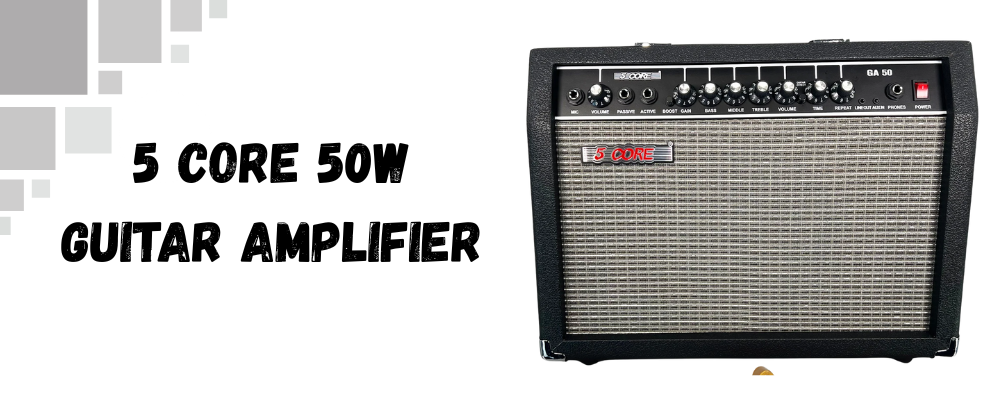
Both the amps we’ve featured here—the 5 Core 50W Guitar Amplifier and the GA-20 20W orange combo guitar amp—offer the right blend of simplicity and depth. Whether you're dialing in a crunchy rhythm tone or chasing sparkling cleans, these amps give you the range to make it happen without needing a manual every two minutes.
Final Thought
Getting a good tone isn't magic. It’s the result of experimenting, listening, and paying attention to the gear under your fingers. Amp settings are half that battle—and once you learn how to shape sound from the amp first, everything else falls into place.
Start with what you’ve got. Twist some knobs. Trust your ears. That’s how great tones are made.
Here you can find amazing drum thrones; alternatively, browse our product page to find the best keyboard bench, audio mixers, drum mics, piano bench, keyboard stand, speakers, party speakers, and more.
Recent Posts





Beginner’s Guide to Guitar Pedals: Boost Your Sound Without the Nonsense