Beginner’s Guide to Guitar Pedals: Boost Your Sound Without the Nonsense
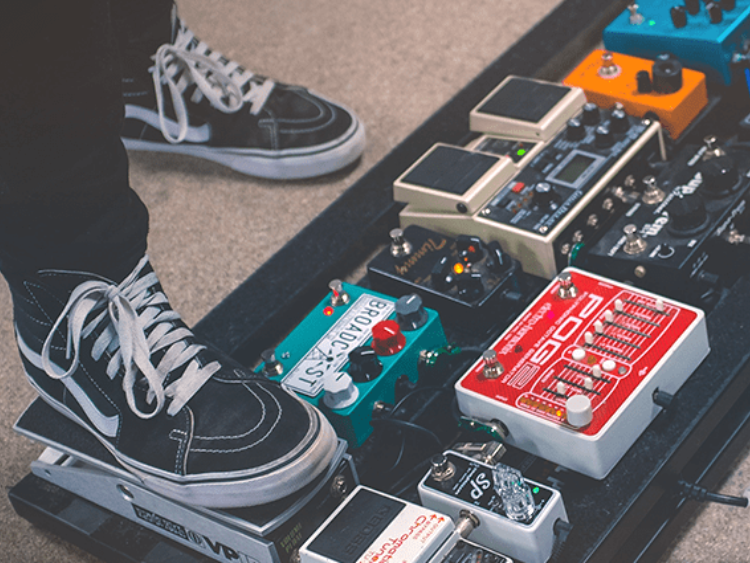
Alright, guitar rookies—let’s cut the fluff. You hear the pros ripping solos and wonder: What’s making their guitar sound bigger, wilder, and just… cooler? The answer is guitar pedals, those magic little boxes that turn basic plucking into stadium rock or cosmic shoegaze in no time.
If you want to boost your sound, stand out from the "just chords" crowd, and try out what makes guitar playing fun, pedals are it. But don’t get lost in endless options—here’s the real guide for beginners who want a killer guitar pedalboard, fewer headaches, and way more groove.
Guitar pedals aren’t just sonic accessories—they’re creative catalysts. As highlighted in Adam Harkus’s blog, pedals go beyond tone tweaking: they actively inspire songwriting and arrangement, helping musicians inject new energy, texture, and dynamics into their tracks.
What Are Guitar Pedals—And Why Should You Care?
Guitar pedals (aka effects pedals) are small stompbox pieces you hook between your guitar and amp. They let you twist, blast, crunch, echo, and warp your sound on demand. Players use them to stamp their style—be it squeaky clean funk, growling blues, screaming distortion, or trippy effects.
The Essential Beginner Guitar Pedals
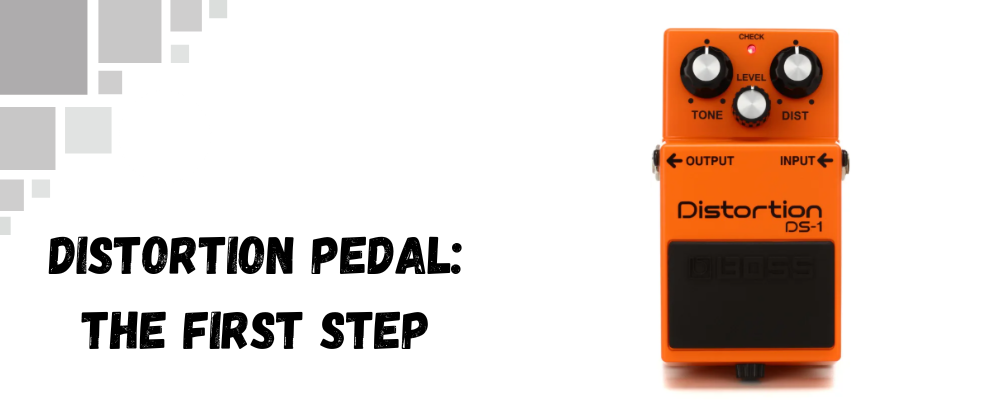
Distortion—Where All the Wild Is Made
If you get just one pedal, grab a guitar distortion. This turns polite noise into pure attitude—power chords sound mean, leads slice through, and you finally hear why rock and metal exist. Stomp on it, and your amp goes from bedroom lull to angry monster.
Pro Tip: Most bands use distortion as their “always on” effect. Start with basic, not boutique—more gain, more learning.
Overdrive—Your Friendly Warm French Press
Overdrive is like distortion’s chill cousin. It gives your sound more warmth and push, perfect for blues, classic rock, or those “dig in” solos. Overdrive is best for amp-like grit when you want fiery tone without blowing up the mix.
Delay and Reverb—For Bigger, Spacier Sound
Delay repeats your notes so solos echo and shimmer. Reverb gives your guitar “room” or “arena” feeling, making chords and notes last longer. Put them on softly to add depth—go wild to enter dream territory.
Modulation—The “Weird and Wonderful”
Chorus, flanger, phaser—these twist your sound into swirling, swooshing patterns. Get one to make your tone growky, wobbly, or outright funky. Used tastefully, they’re magic; used too much, they’re chaos.
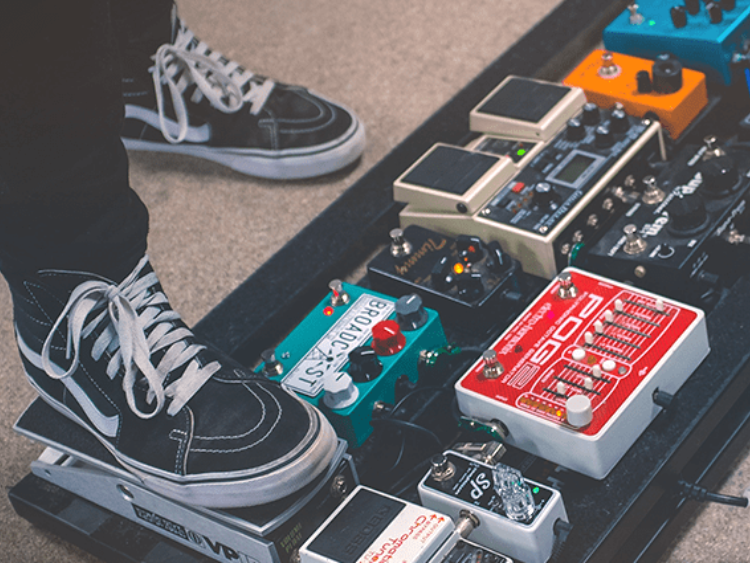
How to Set Up Your Guitar Pedalboard—No Tangles, No Fuss
Lay pedals out in front of your amp for quick access—distortion and overdrive first, then modulation, then time effects (delay/reverb) last.
Power them with a simple daisy chain adapter or individual batteries if you hate cord clutter.
Use patch cables—not instrument cables—between pedals so you fit more into your board.
Buying Tips for Beginner Guitar Pedals
Try before you buy. Different pedals work better for different styles—don’t trust online hype alone.
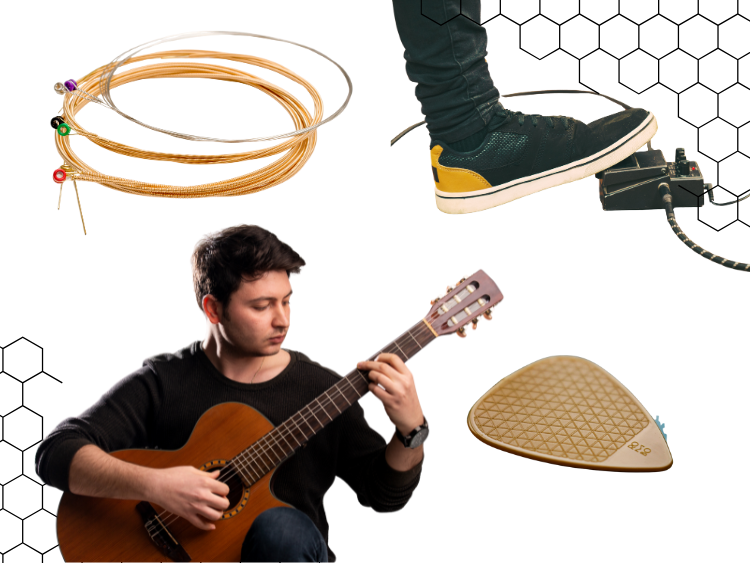
Start with versatile pedals that work for chords and lead. A good distortion, reverb, and one modulation will cover most everything.
Don’t overspend on “boutique” gear. You’ll want to upgrade as your tastes change, so keep it flexible.
Pedalboard Don’ts That Kill Your Sound
Don’t crank every pedal at once—muddy tone is a beginner’s enemy.
Don’t ignore the order of pedals; wrong order can mangle your sound.
Don’t stick to presets—twiddle the knobs, find what fits you, not someone else.
Conclusion: Flip the Switch—And Play LOUD
A few clever pedals and your guitar is no longer generic, it is this is ME. Start easy, practice, and do not be afraid to bend a few rules. The correct guitar pedalboard makes your rig a playground-where chords slam, solos scream, and every little stomp tells your tale.
No matter whether you want creamy overdrive, jagged distortion, or spacey echoes, entry-level guitar pedals are more than just boxes--they are your first step into truly epic sound. Plug in, stomp down, and don’t look back.
Here you can also find amazing drum thrones; alternatively, browse our product page to find the best keyboard bench, audio mixers, drum mics, piano bench, keyboard stand, speakers, party speakers, and more.
Recent Posts




Beginner’s Guide to Guitar Pedals: Boost Your Sound Without the Nonsense