Beginner’s Guide to Guitar Pedals: What You Really Need

When starting out as a guitarist, navigating the world of guitar pedals can be both exciting and overwhelming. These devices, also known as effects pedals, shape your tone, add new sonic textures, and can significantly elevate your playing experience. However, with so many options available, choosing the right pedals as part of your beginner guitar gear setup requires understanding their functions and deciding which effects truly enhance your sound.
This beginner’s guide will explain the essential types of guitar pedals, help you identify what you really need, and provide trustworthy insights backed by credible sources.
Understanding Guitar Pedals and Their Role
What Are Guitar Pedals?
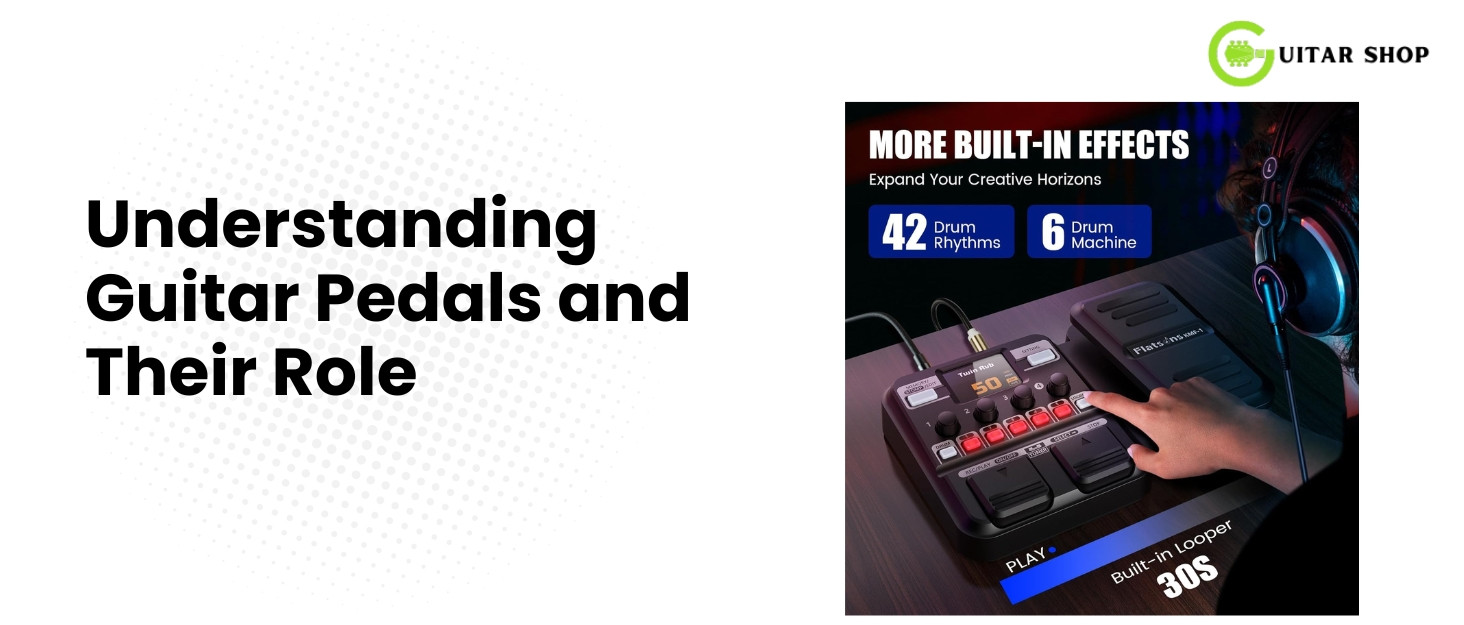
Guitar pedals are small electronic devices connected between your guitar and amplifier that modify the guitar’s audio signal. They can add effects such as distortion, delay, reverb, chorus, and more, allowing guitarists to customize their tone and expressiveness.
As explained by Wikipedia’s entry on guitar effects, these pedals revolutionized guitar music by enabling a wide range of sounds beyond the instrument’s natural tone.
Why Use Effects Pedals?
Effects pedals help shape your sound to suit different musical styles—whether rock, blues, jazz, or experimental genres. For beginners, pedals provide an easy way to explore tone-shaping and develop a unique sonic identity without complicated amp settings.
Essential Guitar Pedals for Beginners
1. Distortion/Overdrive Pedal:
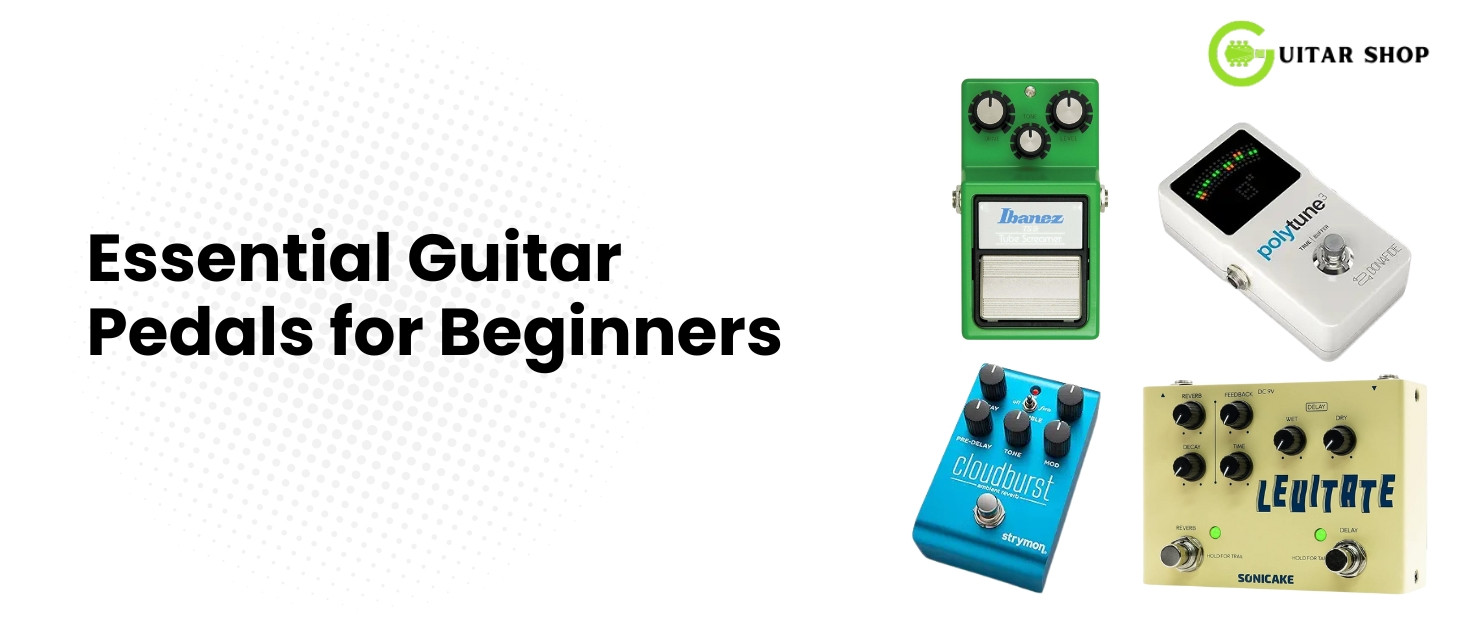
A distortion or overdrive pedal is often the first pedal many guitarists buy. It adds grit and sustain, perfect for rock and blues tones. Distortion pedals emulate the sound of overdriven tube amplifiers and can range from mild “breakup” to heavy metal saturation.
A Statista report on guitar gear trends indicates distortion pedals remain among the most popular effects for beginners.
2. Tuner Pedal:
Accurate tuning is crucial for any guitarist. A dedicated tuner pedal ensures your guitar stays perfectly in tune during practice and performance. This pedal is a must-have in any beginner guitar gear setup due to its reliability and convenience.
3. Delay Pedal:
Delay pedals create echo effects by repeating your notes, adding depth and ambiance. While not essential for all beginners, they open up creative possibilities and are widely used in genres like ambient, pop, and alternative.
4. Reverb Pedal:
A reverb pedal simulates the natural reflections of sound in a room or hall, enriching your tone with space and atmosphere. Many amplifiers have built-in reverb, but a pedal offers more control and variety.
How to Choose the Right Effects Pedals
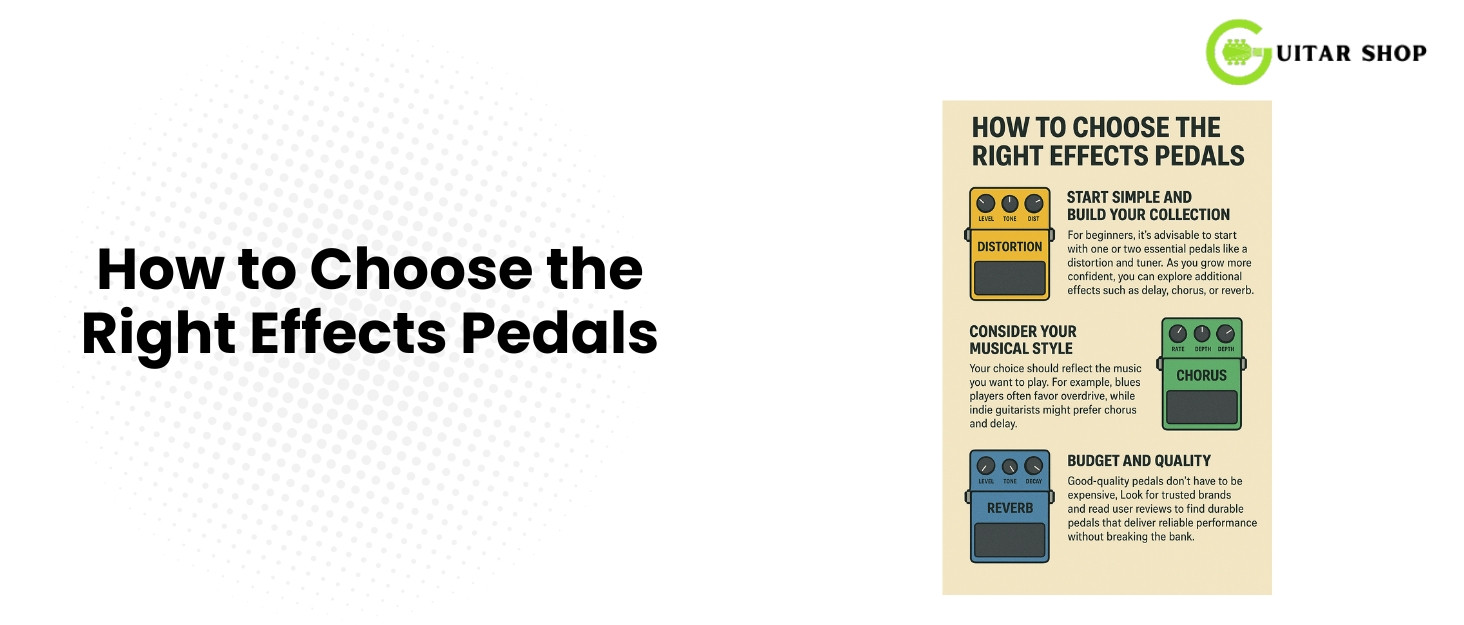
Start Simple and Build Your Collection:
For beginners, it’s advisable to start with one or two essential pedals like a distortion and tuner. As you grow more confident, you can explore additional effects such as delay, chorus, or reverb.
Consider Your Musical Style:
Your choice should reflect the music you want to play. For example, blues players often favor overdrive, while indie guitarists might prefer chorus and delay.
Budget and Quality:
Good-quality pedals don’t have to be expensive. Look for trusted brands and read user reviews to find durable pedals that deliver reliable performance without breaking the bank.
Additional Tips for Beginner Guitar Gear Setup
Pedalboard and Power Supply
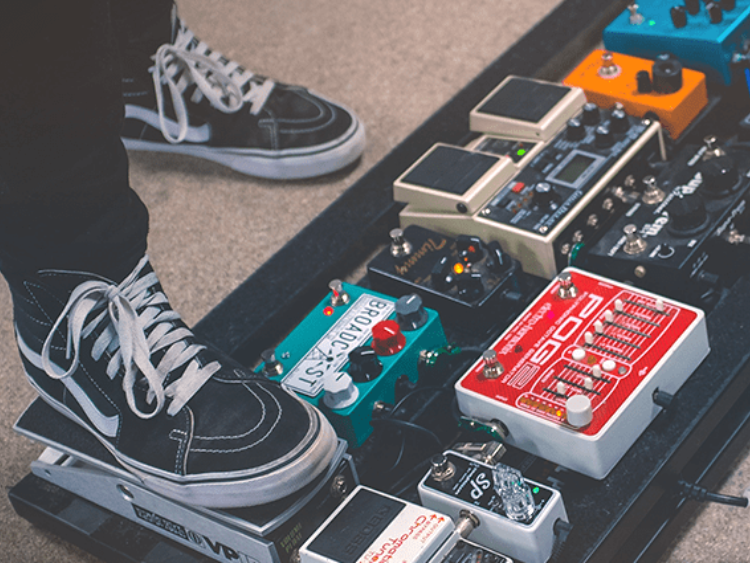
As your collection grows, consider investing in a pedalboard to organize your pedals neatly. A reliable power supply ensures consistent performance and protects your gear from electrical issues.
Learning Resources
Many online platforms offer tutorials on how to use guitar pedals effectively. Resources like JustinGuitar and Guitar World provide excellent beginner guides.
Conclusion
Guitar pedals are powerful tools that can transform your playing and help you craft a unique sound. For beginners, focusing on essential pedals such as distortion, tuner, and delay will provide a solid foundation. As you develop your skills and style, you can expand your collection with other effects pedals tailored to your musical preferences.
Remember, the best beginner guitar gear is gear that inspires you to practice and enjoy playing. Start simple, experiment, and let your creativity guide your choices.
Recent Posts



Beginner’s Guide to Guitar Pedals: Boost Your Sound Without the Nonsense