Blogs

Beginner’s Guide to Guitar Pedals: What You Really Need
When starting out as a guitarist, navigating the world of guitar pedals can be both exciting and overwhelming. These devices, also known as effects pedals, shape your tone, add new sonic textures, and can significantly elevate your playing experience. However, with so many options available, choosing the right pedals as part of your beginner guitar gear setup requires understanding their functions and deciding which effects truly enhance your sound.
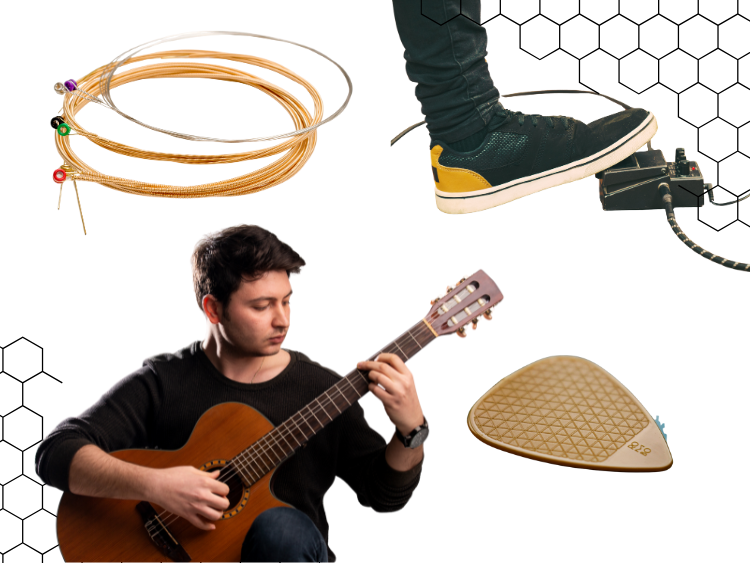
Top 5 Essential Guitar Accessories Every Player Needs
When you are just beginning or even after years of playing, it is easy to forget the simple equipment that makes a difference day in and day out.
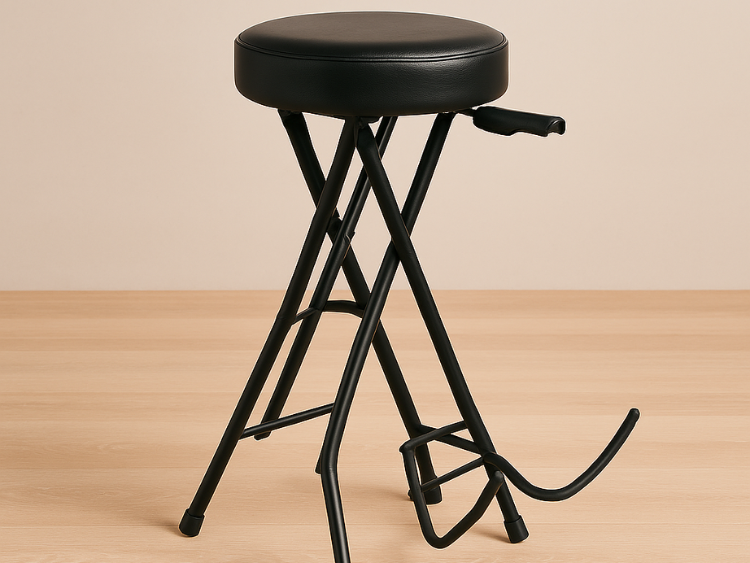
Top Foldable Guitar Stools for Gigging Musicians
Any gigging musician can tell you how difficult it is: the long working nights on the stage, tight vans, and frequent changes of the settings. Portability is important, along with comfort. And that is where foldable guitar stools shine. They are designed to be easily carried and provide reliable support to guitarists without increasing the load of the gear.

Guitar Stools for Kids: Adjustable Options for Young Players
When kids start learning guitar, posture matters as much as practice. An adjustable guitar stool helps young players stay comfortable, focused, and in control. Unlike standard chairs, these stools are built to match their height, support proper form, and reduce the risk of strain.

Best Adjustable Guitar Chairs for Perfect Playing Posture
Every guitarist is aware of the fact that posture is everything. An inadequate chair may lead to backache, tired, aching arms and less play time. This is addressed by chairs that adjust the height, angle and level of comfort in the guitar chairs. They are not only for sitting on, but also to support music on.
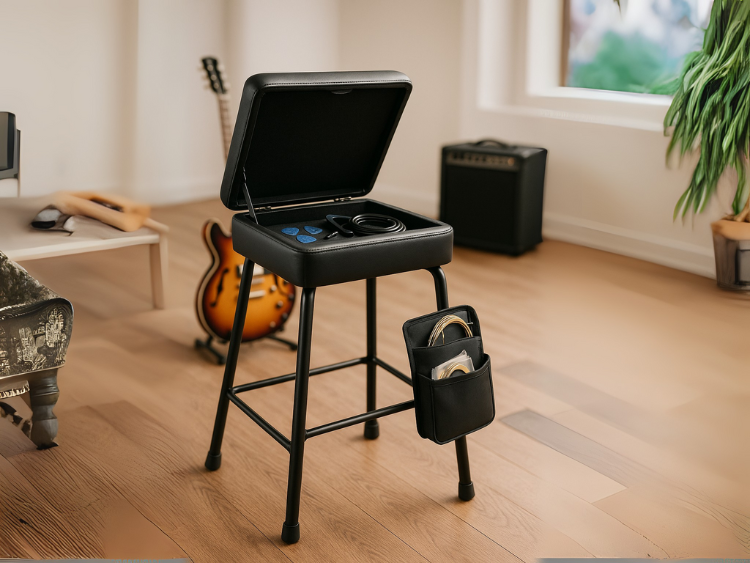
Guitar Stools With Storage: Keep Picks, Capos & Cables Handy
A guitar stool is not only a sitting device; it can also serve as a storage space where you can safely store your minor yet important items. Stools with integrated storage have a clever way to keep picks, capos, tuners, and even spare cables within easy reach as you play.

Bar Height Guitar Stools: Ideal for Standing Performers
Standing is energizing and presents onstage. Too-long sets will exhaust you; however, a bar-height guitar stool comes to the rescue. It offers support to you when you are in need of a good rest-give-and-take-new kind of balance-without making it feel as though you had come full on to a seat. The result? Decreased fatigue, improved posture, and performance.
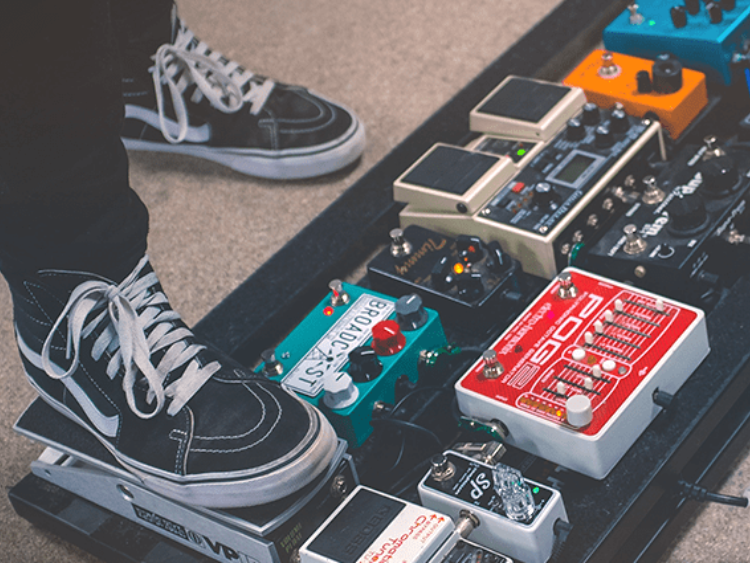
Beginner’s Guide to Guitar Pedals: Boost Your Sound Without the Nonsense
Alright, guitar rookies—let’s cut the fluff. You hear the pros ripping solos and wonder: What’s making their guitar sound bigger, wilder, and just… cooler? The answer is guitar pedals, those magic little boxes that turn basic plucking into stadium rock or cosmic shoegaze in no time.
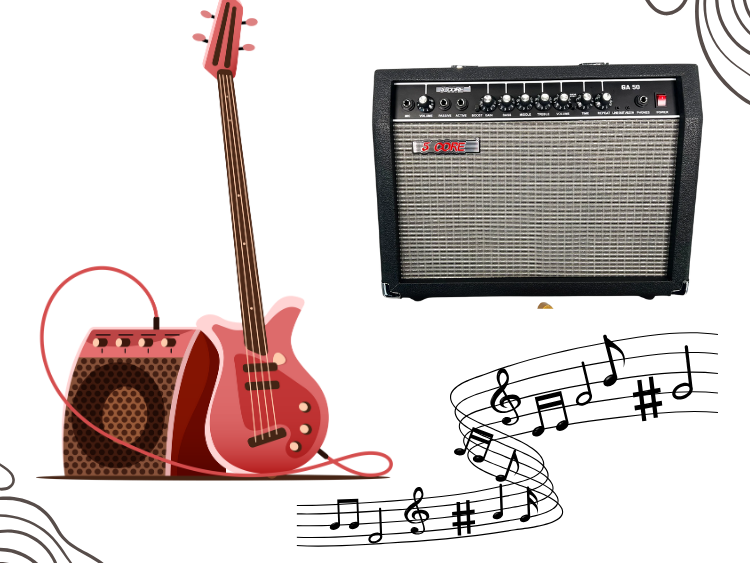
Understanding Guitar Amplifier Settings for Better Tone
All guitarists pursue that pristine tone at some point. The one that turns heads at a gig or just sends a chill up your spine when you are listening to a solo in your bedroom. However, the reality of this is that, however much you spend on your guitar or how many pedals you have in your collection, without your amp settings being set correctly, your tone is going nowhere in a hurry.

How to Use a Guitar Tuner App vs. a Physical Tuner
Look, nobody wants to sound like a dying robot. But there’s nothing more “off” than playing your heart out and realizing your guitar’s out of whack. Here’s the modern struggle: do you grab a guitar tuner app on your phone because it’s two seconds away, or do you bust out the old-school physical tuner like you're prepping for a stadium gig?
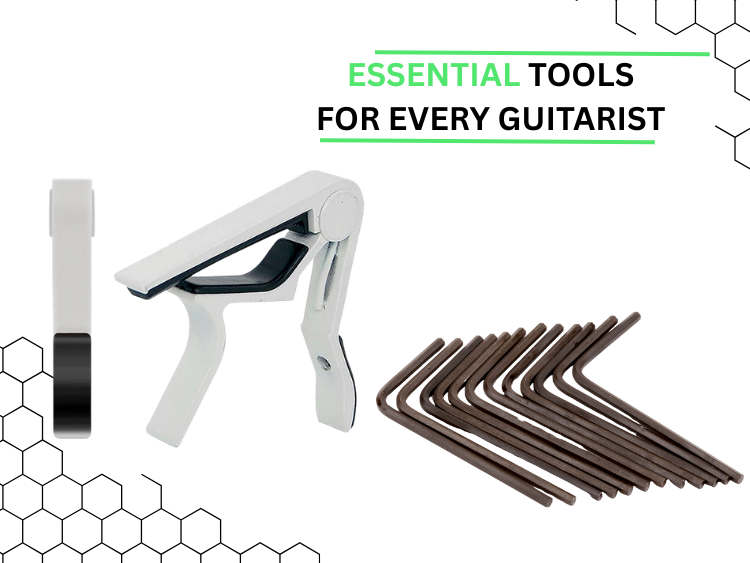
Essential Guitar Tools Every Player Actually Needs
Let’s get something clear: you can have the fanciest guitar on the block, but if you’re missing your basic tools, you’re one snapped string or a sketchy truss rod away from a true “oh crap” moment. Been there, sweated that.

How to Choose a Guitar Strap That’s Comfortable and Stylish
Picking a guitar strap feels simple…until you find one that digs into your shoulder, slips during a set, or clashes with your vibe. The truth? Your strap is not just a garnish, it is what keeps you standing, slaying, and not wishing you were on the couch after thirty minutes.
Recent Posts
Beginner’s Guide to Guitar Pedals: Boost Your Sound Without the Nonsense