How to Properly Tune Your Guitar: Tips and Tools

Any guitarist with a sufficient level of experience is familiar with this experience of having chords in the wrong position and somehow being unable to get them to sound the way they are supposed to. Nine times out of ten? It’s your tuning. It doesn’t matter if you’re strumming around a campfire or laying down tracks in your bedroom studio — if your guitar’s out of tune, it’ll never sound right.
And the fix isn’t just about having an electronic tuner. It is all about the right tools, knowing the fundamentals, and making your guitar healthy so you can stay in tune longer.
This guide simplifies it in layman's terms. No guessing, no tricks. Nothing but good tips, some clever tricks, and the must-have equipment every guitarist must have at hand.
Musicians consistently praise guitar tuners—particularly tuner apps—for their convenience, accuracy, and accessibility. As Essentially Pop explains, “tuners are not just a tool; they are the bridge to auditory perfection,” ensuring every string vibrates at the needed pitch for harmonious sound.
Why Tuning Matters More Than You Think
Most players think tuning is the boring part. But here’s the truth: good tone starts and ends with pitch. No fancy amp or effects pedal will save you if your open strings are a quarter step sharp or flat.
Bad tuning also messes with your intonation — those subtle pitch shifts up the neck that can make barre chords sound sour. So, a consistent, accurate tune-up isn’t just a ‘good enough’ thing. It’s the foundation for every note you play.
Tools Every Guitarist Should Have
Sure, you can tune by ear. But if you want it done fast, and right, you’ll need a couple of tools that make the job foolproof.
Clip-On Tuners: Small but Mighty
If you only buy one thing, make it a good clip-on tuner. They’re cheap, battery-friendly, and accurate enough for everyday practice.
The big win is that they pick up vibration directly from the headstock. That means you can tune up in noisy backstage areas or busy rehearsal spaces. Just clip it on, pluck a string, and dial it in.
Pedal Tuners: Gig-Ready and Road-Proof
If you’re playing out, a pedal tuner is the next step up. These stompbox tuners mute your signal while you tune, which saves the audience from hearing your awkward plinks between songs.
Models like the Boss TU-3 or TC Electronic Polytune are staples for a reason — they’re rugged, bright enough to see on dark stages, and dead-on accurate.
String Winders: Don’t Skip This One
Most players overlook this until they’re sweating through a mid-set string break. But a proper winder is a lifesaver. It speeds up string changes and keeps your wraps neat, which helps your strings stay in tune longer.

The 5 Core 3-in-1 String Winder is solid because it pulls bridge pins, winds strings, and snips off the excess — all without rummaging around for extra tools.
This winder is built with high-quality steel, and is fit for acoustic, electric and bass guitars. It also comes with an integrated clipper, bridge pin puller, and peg winder in a single tool for effortless guitar maintenance.
Change strings faster and stay in tune longer — keep the 3-in-1 winder close.
Here you can also find amazing drum thrones, best keyboard bench, audio mixers, drum mics, piano bench, keyboard stand, speakers, party speakers, and more.
How to Tune — The Basics That Actually Work
Let’s keep it simple. You can get fancy later, but these basics cover 99% of your needs.
- Tune up, not down. Always tune up to pitch. If you overshoot, detune below your target and come back up. This helps the string hold tension better.
- Stretch your strings. After putting on new strings, give each one a gentle pull away from the fretboard and retune. Do it two or three times — they’ll settle faster and hold pitch better.
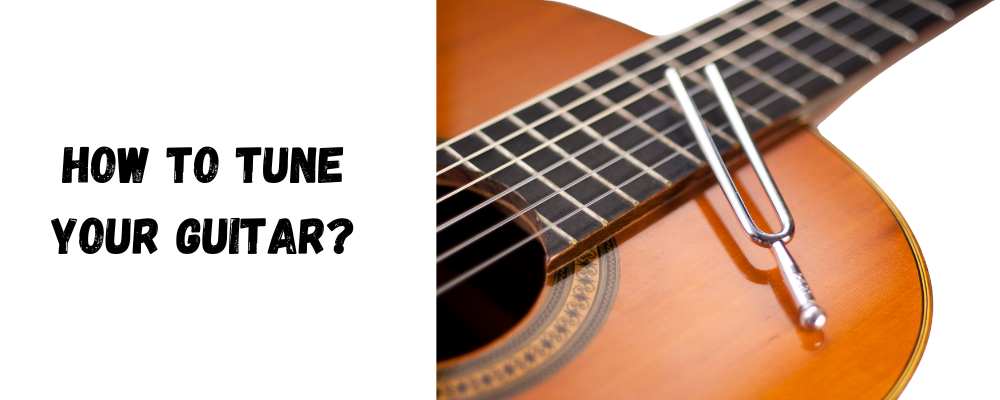
- Ensure your intonation. Finger the 12th-fret harmonic and compare this with the fretted note. In case they are different, your bridge might require adjustment.
- Keep it regular. Get into the habit of tuning every time you pick up your guitar — even if you just played an hour ago.
Bonus: Pro Tips to be in Tune Longer
Tuning is a favourite of humidity and temperature variations. Attempt to keep your guitar in a constant condition, not near radiators or drafty windows.
When you wind your strings, keep about two or three neat wraps on the post. Too many wraps cause slippage; too few mean they might not grip. And don’t yank the string tighter than needed — that’s an easy way to snap it mid-gig.
Final Thoughts: Tuning Is Your Foundation
Good tuning is not cool-looking- it just makes you sound better, period.
The right tools are useful: a good everyday clip-on, a pedal tuner, and a good winder such as the 5 core 3-in-1 guitar winder to make changing strings a breeze.
It is a basic discipline that makes a pro and a hobbyist. Learn to master your tuning game and the rest of your playing just falls into place.
Here you can also find amazing drum thrones; alternatively, browse our product page to find the best keyboard bench, audio mixers, drum mics, piano bench, keyboard stand, speakers, party speakers, and more.
Recent Posts





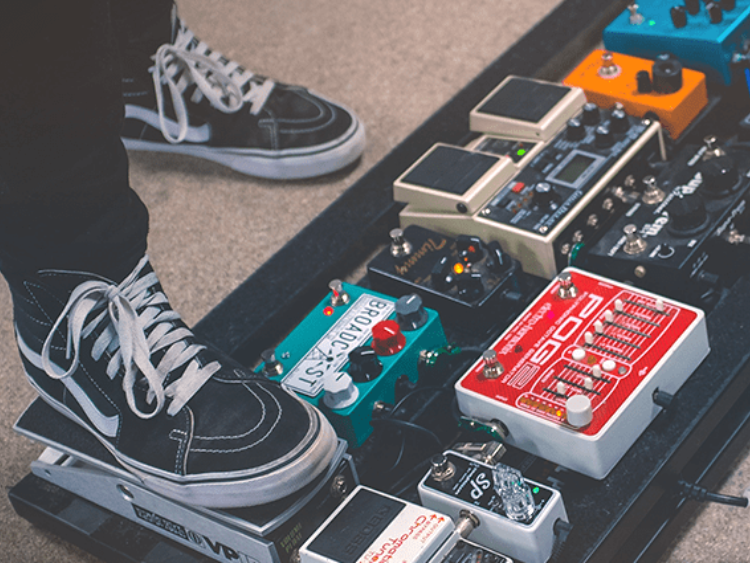
Beginner’s Guide to Guitar Pedals: Boost Your Sound Without the Nonsense