The Ultimate Guide to Guitar Strings: Types and Maintenance
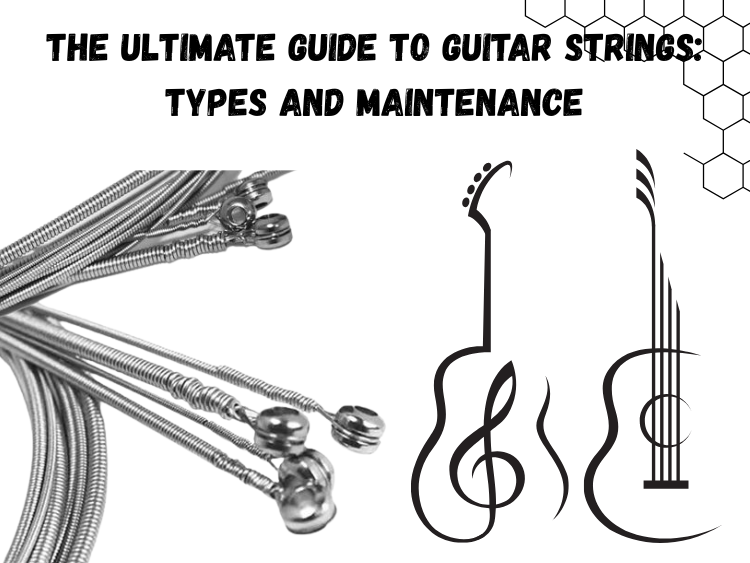
Your guitar strings are the first thing between your fingers and your sound. You can buy the best guitar in the world, but if your strings are old, mismatched, or poorly maintained, you’ll never get the tone you’re after.
The good news? Choosing the right type of strings — and taking care of them — isn’t rocket science. It’s just about knowing what works for your style and being smart about replacement and upkeep.
Guitar strings play a pivotal role in defining your instrument’s tone, feel, and performance. As Chris Martin (Executive Chairman of C.F. Martin & Co.) explains in Premier Guitar, strings don’t just enable play—they are integral to how the guitar “truly sings,” with their condition affecting everything from resonance to responsiveness; old, corroded strings make even quality guitars sound dull. Choosing the right gauge, material, and keeping strings fresh ensures clarity, sustain, and expressiveness—making strings the unsung heroes of your tone.
This guide lays it all out: the different types of guitar strings, what sets them apart, and simple habits to keep them sounding fresh gig after gig.
Why Guitar Strings Matter More Than You Think
A lot of new players grab whatever strings are on the rack without a second thought. But there’s a world of difference between a bright, punchy nickel string and a warm, vintage-sounding pure nickel wrap.
The material, gauge, and coating all shape your tone. Lighter gauges bend easily but break sooner. Heavier gauges give you more volume and sustain but need stronger fingers.
When you match the right strings to your guitar and playing style, you don’t just sound better — you play better, too.
Electric Guitar Strings: Lively and Bright
Playing rock, blues, or any genre that rides or dies on the riff, you will be interested in having electric strings that cut the mix, but never get muddy.
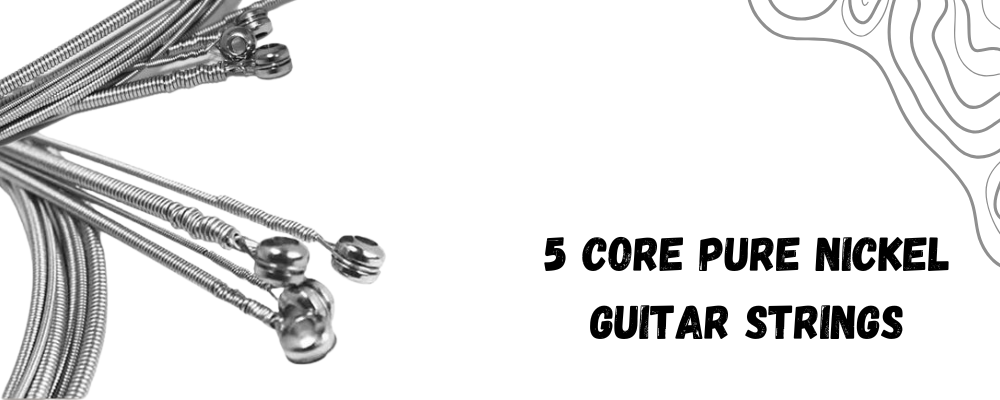
Pure Nickel Wrap has become a common choice because of the balance between warmth and clarity. For example, the 5 Core Electric Guitar Strings – Pure Nickel give you that classic tone — bright enough to pop but rounded off to avoid harshness.
These 5 Core pure nickel electric guitar strings are made with effortless playability in mind and have a light gauge (.009, .011, .016, .024, .032, .042) that makes bending and fretting easy, even to a new player. The sophisticated hex core offers excellent tuning stability and long life with special corrosion-resistant nickel plating to prolong string life.
Look forward to a warm, bright, or balanced tone- a great fit in a variety of styles, including jazz and pop. The improved winding provides a smoother touch with little finger noise, all designed to give the player a consistent, high-quality sound.
And in case you want to have expressive bends and smooth slides, they are good and reliable strings that will not make your fingers tired.
If you’re after expressive bends and smooth slides, these are solid, reliable strings that won’t wear your fingers out.
Bring out that classic, balanced tone. Grab your 5 Core Pure Nickel Strings today.
Bass Guitar Strings: Punch and Sustain
Bass players know strings can make or break your groove. A good bass string needs to balance low-end thump with enough articulation to cut through a band mix.
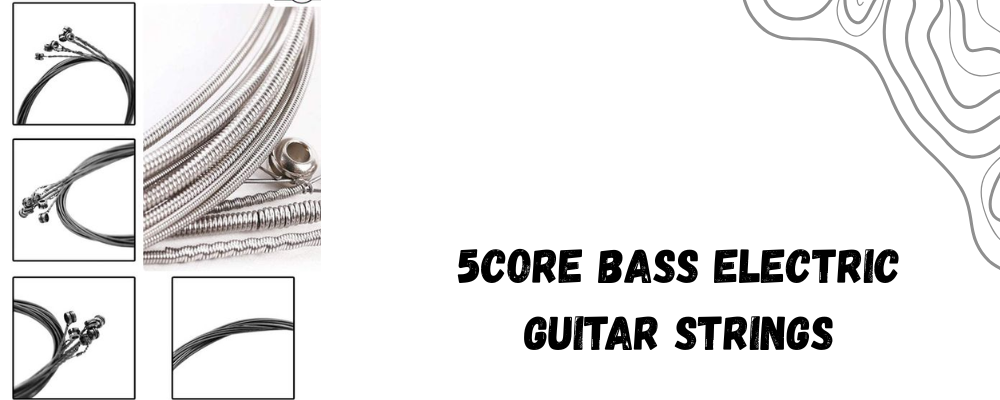
Something like the 5 Core Bass Electric Guitar Strings gives you a bright tone with clear fundamentals — perfect for styles where you need that extra punch without losing bottom end.
Keep your groove punchy and clear. Pick up 5 Core Bass Strings now and feel the difference.
Acoustic Strings: Warmth and Clarity
Acoustic players live and die by string choice. The wrong strings can make your guitar sound boxy or lifeless. Bronze and phosphor bronze are go-tos for a good reason — they strike a balance between sparkle and warmth.
While this guide highlights electrics and bass, the same rules apply: look for corrosion resistance if you play a lot outdoors or in humid spaces, and choose a gauge that matches your style. Light to medium gauges are the sweet spot for most players — enough volume without destroying your fingers.
How Often Should You Change Guitar Strings?
If you play every day, change them every month — maybe more often if you sweat a lot or bend strings aggressively. Gigging musicians swap them before every show.
For casual players, every 2–3 months is realistic. You’ll hear when your strings go dull — they lose their snap and get harder to keep in tune.
Easy Maintenance Tips for Longer String Life
You don’t need expensive cleaners to keep strings fresh. Here’s what actually works:
Clean them off after each session. Take a dry and clean cloth to clean off the sweat and grime. It is 10 seconds and saves you long-term money.
Clean your hands before you play. Nothing kills strings as fast as natural oils and dirt.
Keep your guitar in a good place. Strings corrode when there is extreme humidity or a change in temperature. When you are not using your guitar, keep it in its case.
Store your guitar properly. Extreme humidity or temperature swings make strings corrode. Keep your guitar in its case when you’re not using it.
Stretch new strings. When you put on a fresh set, gently stretch each string and retune a few times. This helps them settle and stay in tune.
Final Thoughts: Know Your Strings, Know Your Sound
Your strings shape your tone as much as your amp or pedals. Pick the type that fits your style, keep them clean, and replace them before they sound like rubber bands.
If you’re looking for a well-balanced, classic tone for electric guitar, the 5 Core Pure Nickel Strings are a no-brainer. For bass players who want bright punch with plenty of sustain, the 5 Core Bass Electric Strings get the job done without breaking the bank.
Treat your strings well, and they’ll pay you back every time you plug in.
Here you can find more amazing drum thrones; alternatively, browse our product page to find the best keyboard bench, audio mixers, drum mics, piano bench, keyboard stand, speakers, party speakers, and more.
Recent Posts







Beginner’s Guide to Guitar Pedals: Boost Your Sound Without the Nonsense