Guitar Strings: How Often Should You Replace Them?
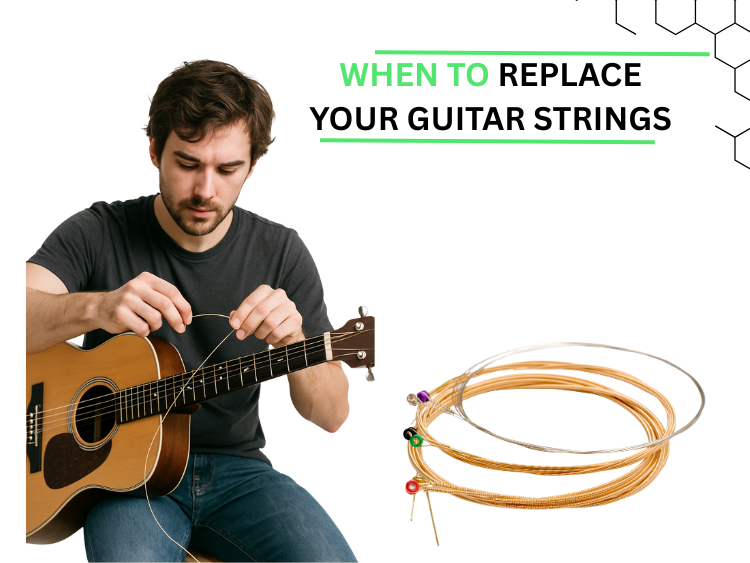
If you’re reading this, wondering, “Do I need to change my guitar strings?”
Yeah. You probably do.
Guitar players are notorious for putting this off. We’ll blow money on new pedals, fancy picks, maybe even an overpriced strap… but we’ll keep playing crusty, grey strings until one snaps mid-bend and slices a finger.
Bad strings kill your tone. They mess with your tuning. They make your fretting hand work harder. And worst of all? They slowly suck the joy out of playing—and you don’t even notice until you finally throw on a fresh set and go “Oh. That’s what this guitar was supposed to sound like.”
So, How Often Should You Replace Guitar Strings?
There’s no “one size fits all”—but here’s a real-world breakdown:
Casual player (once a week or less)
Change every 4–6 months. Maybe even longer, if you’re just strumming a few chords here and there. But seriously… don’t let them rust into oblivion. That’s just gross.
Regular player (2–3 times a week)
Change every 2–3 months. Your strings are working hard enough to wear down. Replace them before they get weirdly buzzy or start holding your tone hostage.
Daily grinder
Every 3–4 weeks, no excuses. You can experience the difference faster than you think when you are practicing every day, recording or jamming with others.
Gigging or recording musician
Before every gig or session. Period. You go on stage or hit record with old strings, you’re rolling the dice.
Red Flag Warning Signs It’s Time to Change
Still unsure? Here’s how strings tell you they’re done:
Your tone sounds flat. No brightness, no sparkle. Just dull thuds pretending to be music.
Tuning is a nightmare. You tune one string, and the others go out. Over. And over.

They feel weird. Sticky, rough, maybe even sharp in spots. It’s not your fingers—it’s the damn strings.
They look old. If they’re discolored, patchy, or crusty near the frets? Toss ‘em.
One snapped? Don’t just replace that one. The rest are about to follow.
What Kills Strings Faster Than It Should?
Sweaty hands. Sorry. You can’t help it, but your strings hate it.
Greasy fingers. If you just ate chips and picked up the guitar—you already know.
Never cleaning them. A two-second wipe-down after playing can add weeks to their life.
Humidity and grime. If your guitar’s out 24/7 in a dusty room, strings won’t last.
It’s not just about how often you play—it’s how messy your playing conditions are.
Want Strings to Last Longer? Here's How:
Wash your hands first. It’s not just hygienic—it’s smart.
Wipe down after every session. Microfiber cloth. Takes 10 seconds. Do it.
Store your guitar in a case. Reduces dust, humidity, and environmental nonsense.
Try nickel-plated or coated strings. They don’t rust as fast, and they keep tone longer.
How Long Do Guitar Strings Last?
Time for a Tune-Up?
If your strings feel like old bike chains, do yourself a favor and slap on a fresh set.
Try These Affordable, High-Quality 5 Core Electric Strings — bright, balanced, and built to last through long jams and sweaty hands.
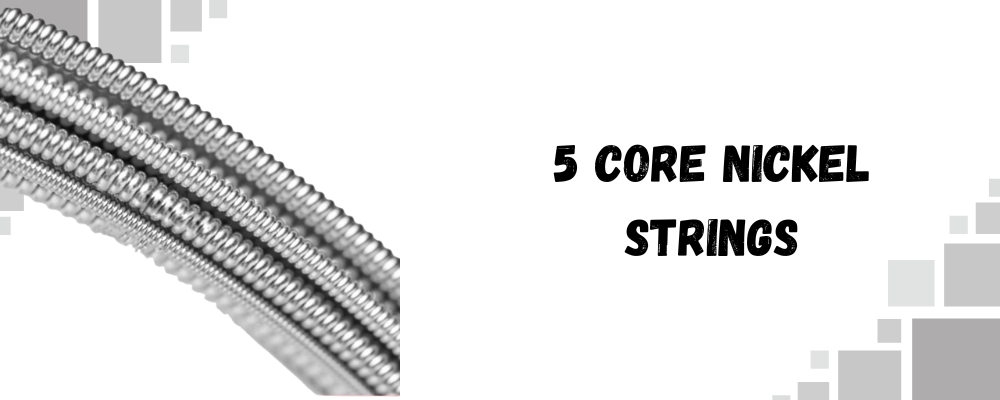
Need something easier on beginner fingers or more flexible for acoustic-electric? These Nickel Wound Extra Lights are ridiculously playable.
Final Word: Stop Letting Dead Strings Hold You Back
New strings won’t make you play better—but they’ll remind you why you love playing.
They’re the cheapest upgrade you can get, and one of the few that instantly improves your tone, feel, and tuning—all at once.
So if your guitar’s been feeling off lately? Don’t overthink it. Start with the obvious: change your strings. Then all the fun stuff—pedals, amps, solos—makes way more sense again.
Here you can find amazing drum thrones; alternatively, browse our product page to find the best keyboard bench, audio mixers, drum mics, piano bench, keyboard stand, speakers, party speakers, and more.
Recent Posts






Beginner’s Guide to Guitar Pedals: Boost Your Sound Without the Nonsense